Chewing Gum Codex
One day, astronaut Neil Armstrong may return to space as a plant.
In 1976, he joined an expedition deep into a cave system in the Amazon rainforest. A soldier on the trip, Francisco Guamán, kept a strange souvenir: a piece of chewing gum discarded by the astronaut.
With the support of forensic geneticists, a DNA sample was taken from the gum. The initial impulse of the artist had been to insert that DNA directly into a plant genome, but during the process this premise was abandoned due to ethical considerations.
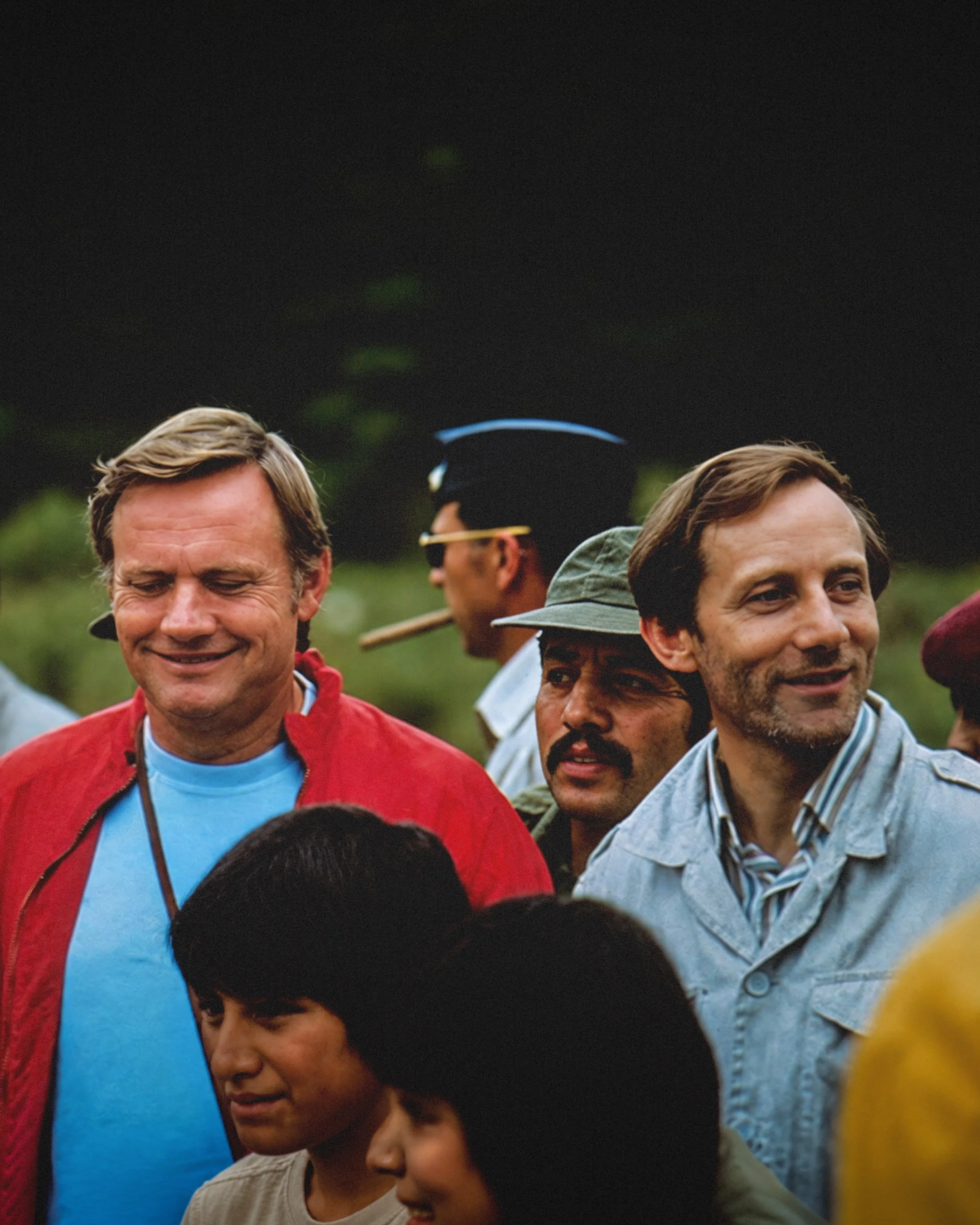
Archival image. On the left side, Neil Armstrong and, behind him, towards the center, Ecuadorian soldier Francisco Guamán. Apparently, the photograph was taken as the expedition was getting ready to descend into the Amazonian cave.
Chewing Gum Codex
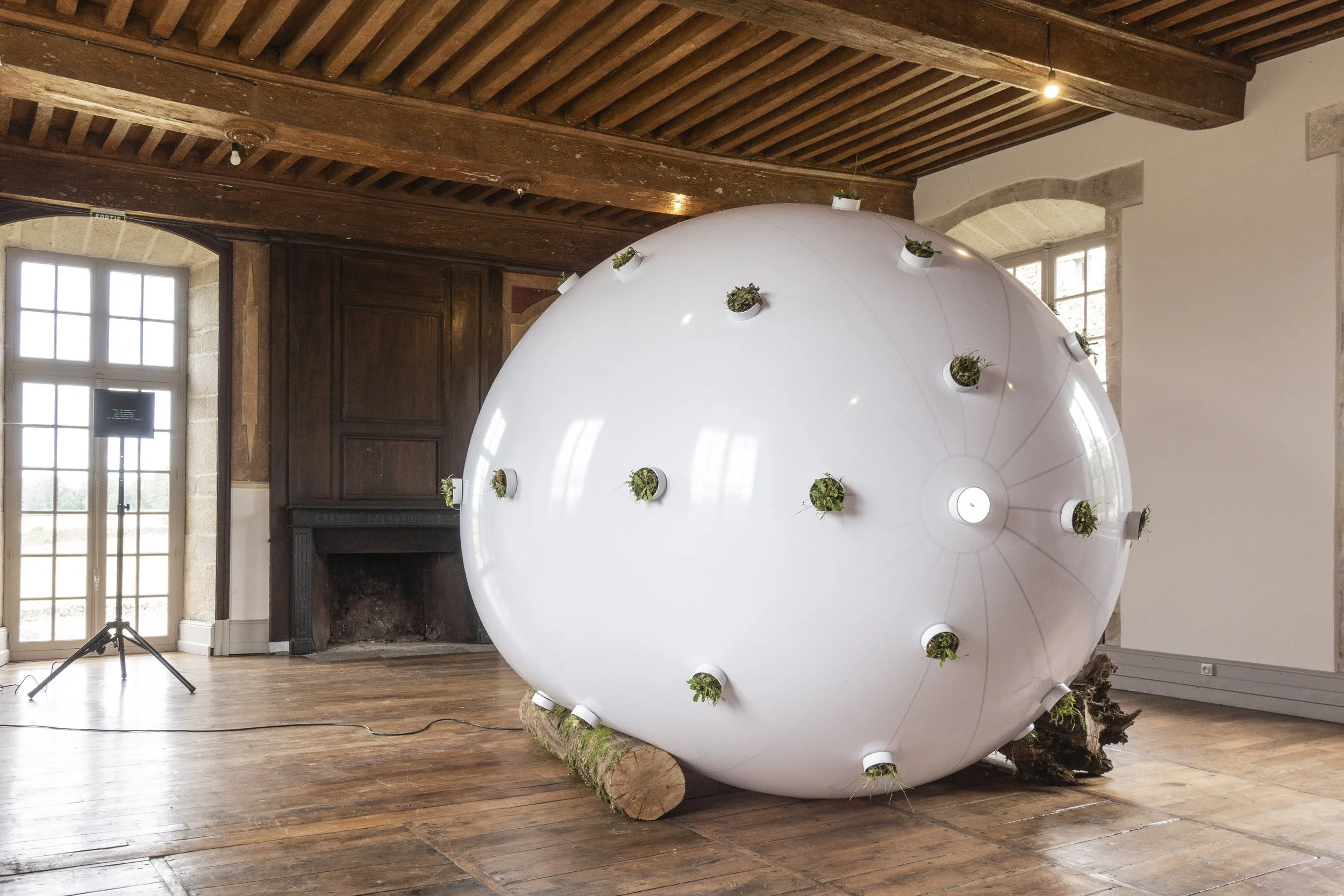
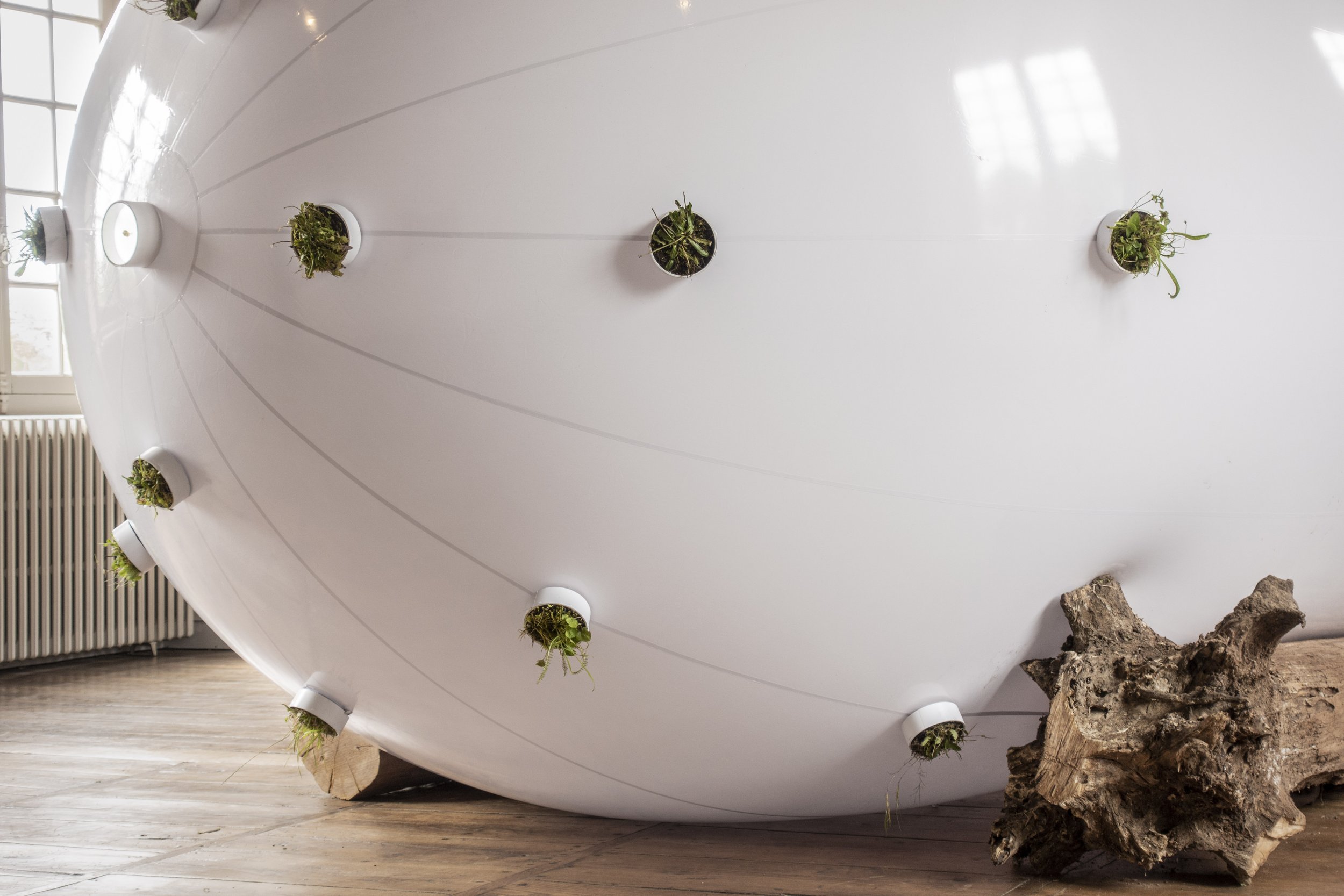
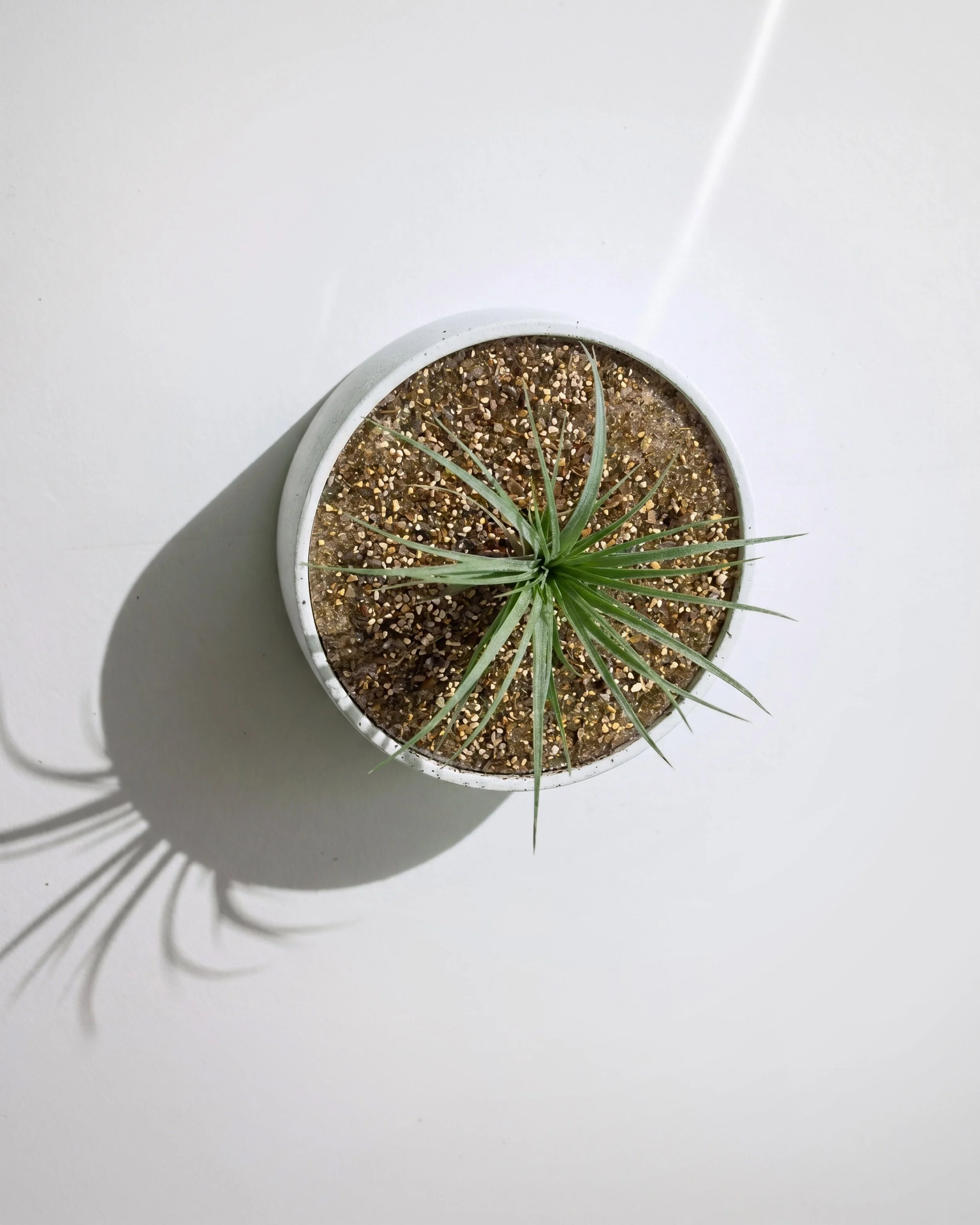
Plants fed with astronaut’s DNA, chewed gum in lit display case, inflatable, wooden logs, two screens held by metal tripods, two video players.
2020
Work originally commissioned for the Yokohama Triennale, Japan.
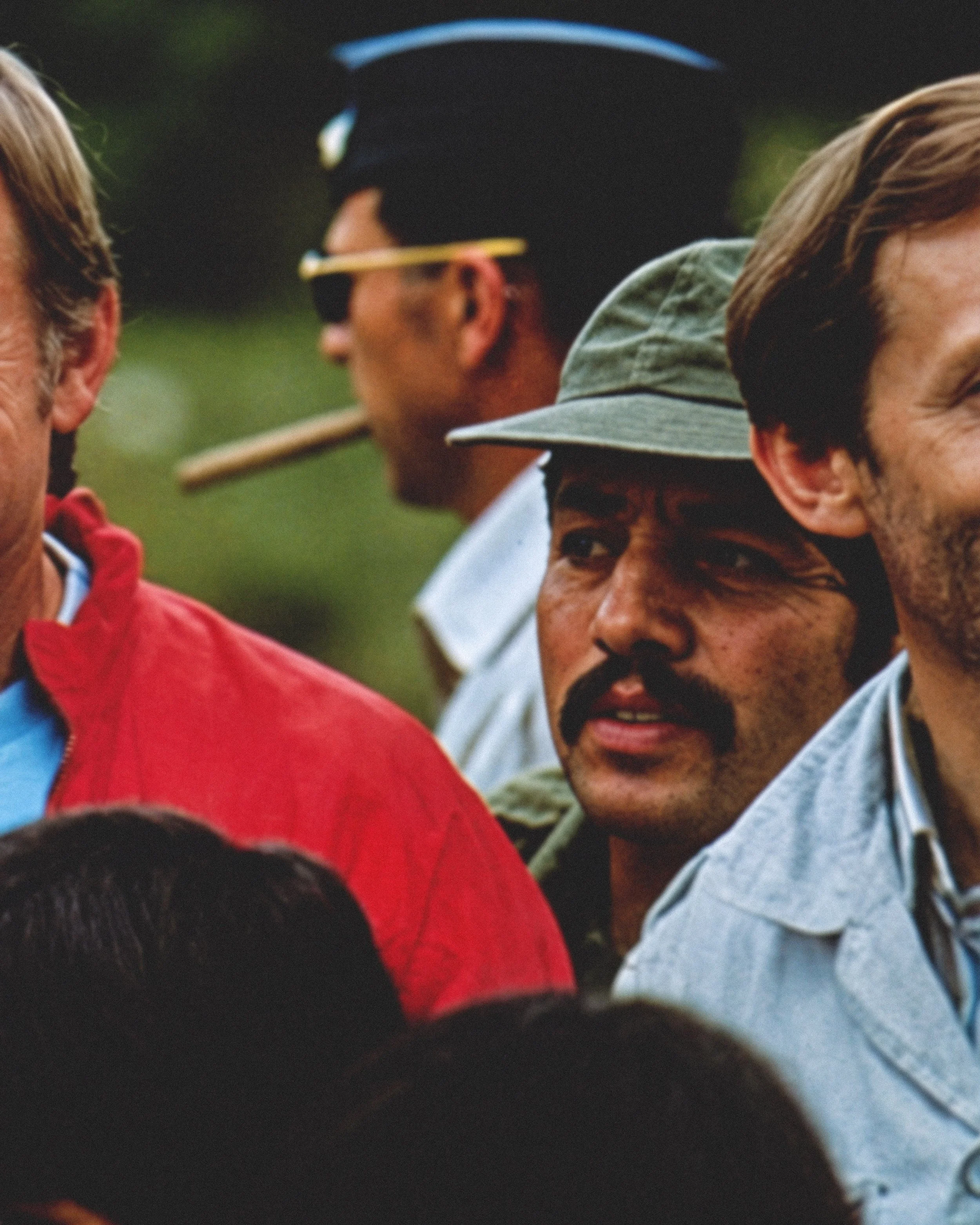
Many years later, after hearing rumors about the bubble gum “relic,” artist Oscar Santillán went searching for Mr. Guamán to inquire about it. Finally, the artist got to meet with the soldier’s granddaughter, Tamia, who spoke of his passing two years earlier and shared what she knew of the 1976 expedition.
Stepping away for a moment, Tamia returned carrying a small, worn matchbox. She held it out to the artist and said, “Open it!” There it was, the bubble gum chewed by the famous astronaut.
“Take it,” she added. “You care about it. Do something good with it.”
Honoring the actual materiality that the story had brought up, that DNA material (likely the astronaut’s DNA) was used in order to water the plants that became part of the final artwork, avoiding intrusive methods of genetic editing.

‘Chewing Gum Codex’ is composed of a large inflatable hosting the plants watered with the astronauts’ genetic material, which are distributed around it.
The actual gum is shown on the front side of the inflatable. Two wooden logs, on the floor, give stability to the sculpture; and, two self-standing screens display a text sequence unveiling the story behind this project.
Regarding cosmic traveling, human bodies are poorly adapted to deep space but plants respond well to those harsh conditions. They are potential astronauts themselves.
As a form of physical sci-fi, this project manifests a future in which humans could travel inside the DNA of plants.
In this way, we can inquire a journey beyond Earth that isn’t about “galactic colonization” or resource-led madness, but a continuation of the primal rituals that our ancestors built around solar and lunar cycles.
Riding inside other life-forms, continuing our long relationship with the cosmos, an alien-inspired spirituality may bring us closer to new configurations of our selves, a more integrated form of being in the universe.