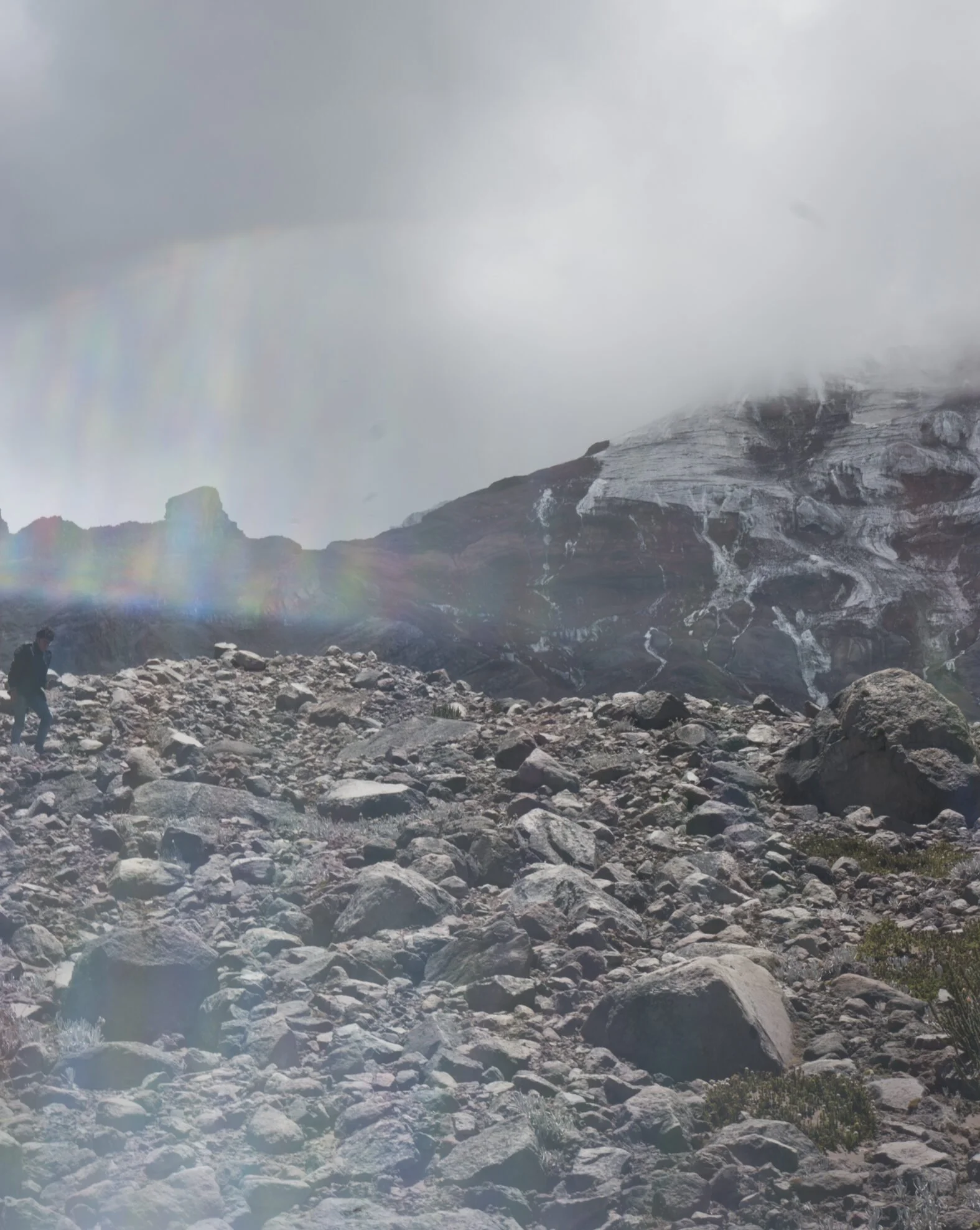
The Weight of Light
(series)
LUX
For ‘Lux’, a scientist calculated the weight of the sunlight that reaches planet Earth.
With this information, the artist traveled to Mount Chimborazo, the place on Earth closest to the sun, searching for a stone that matched perfectly to the weight of light.
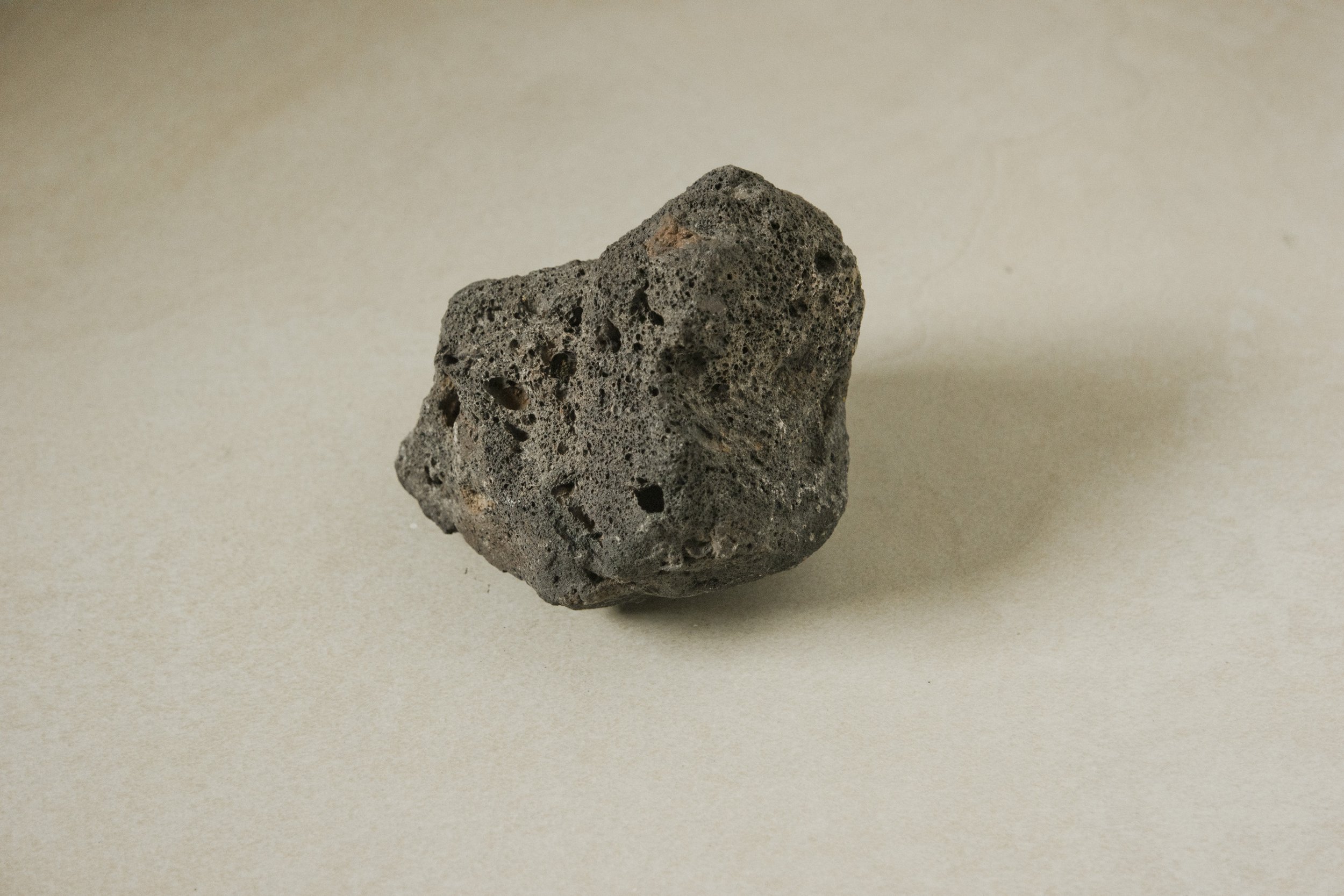
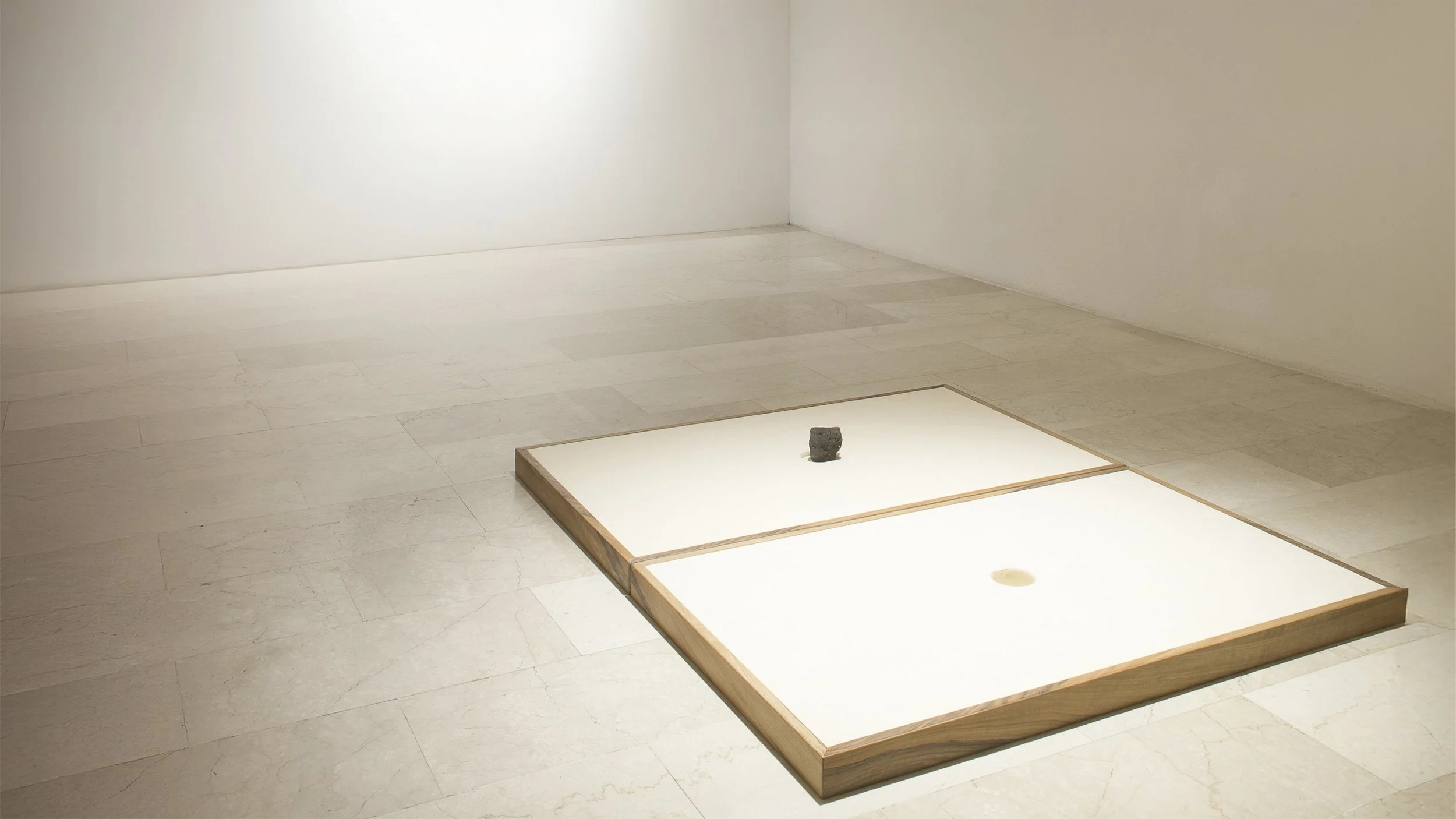
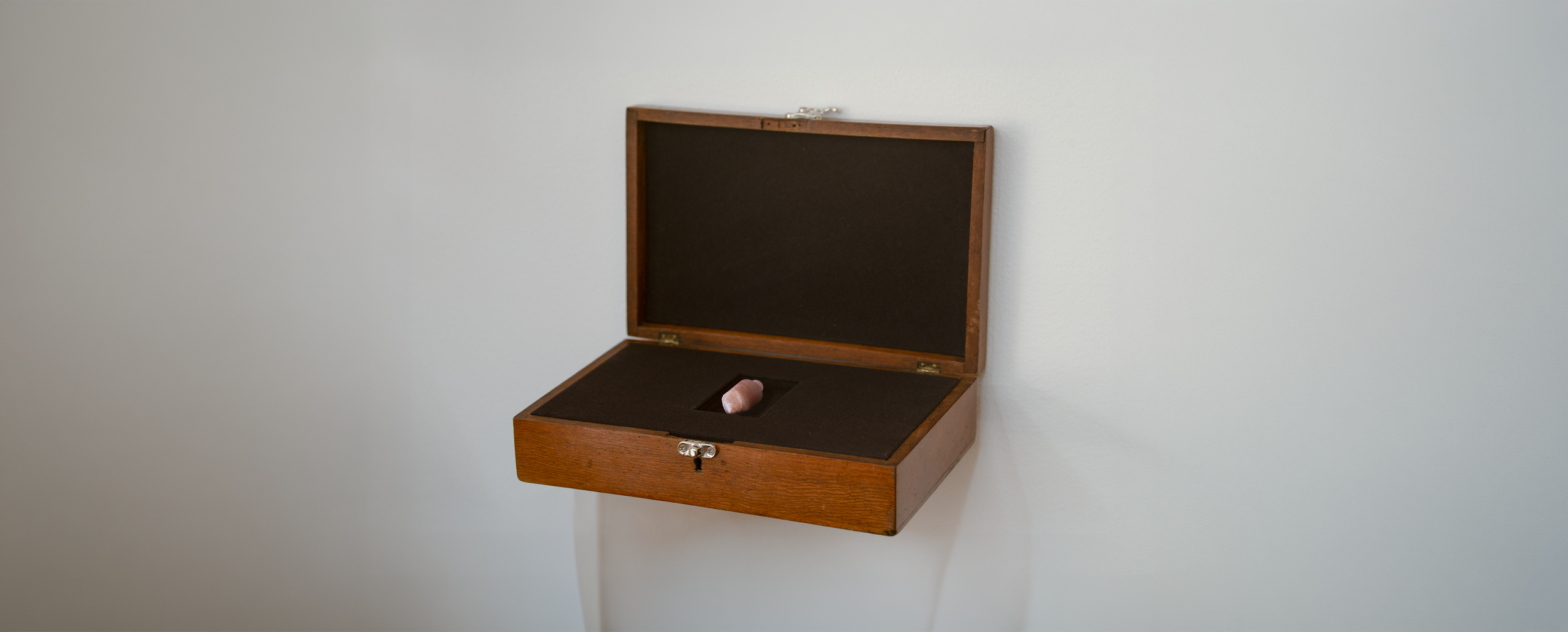
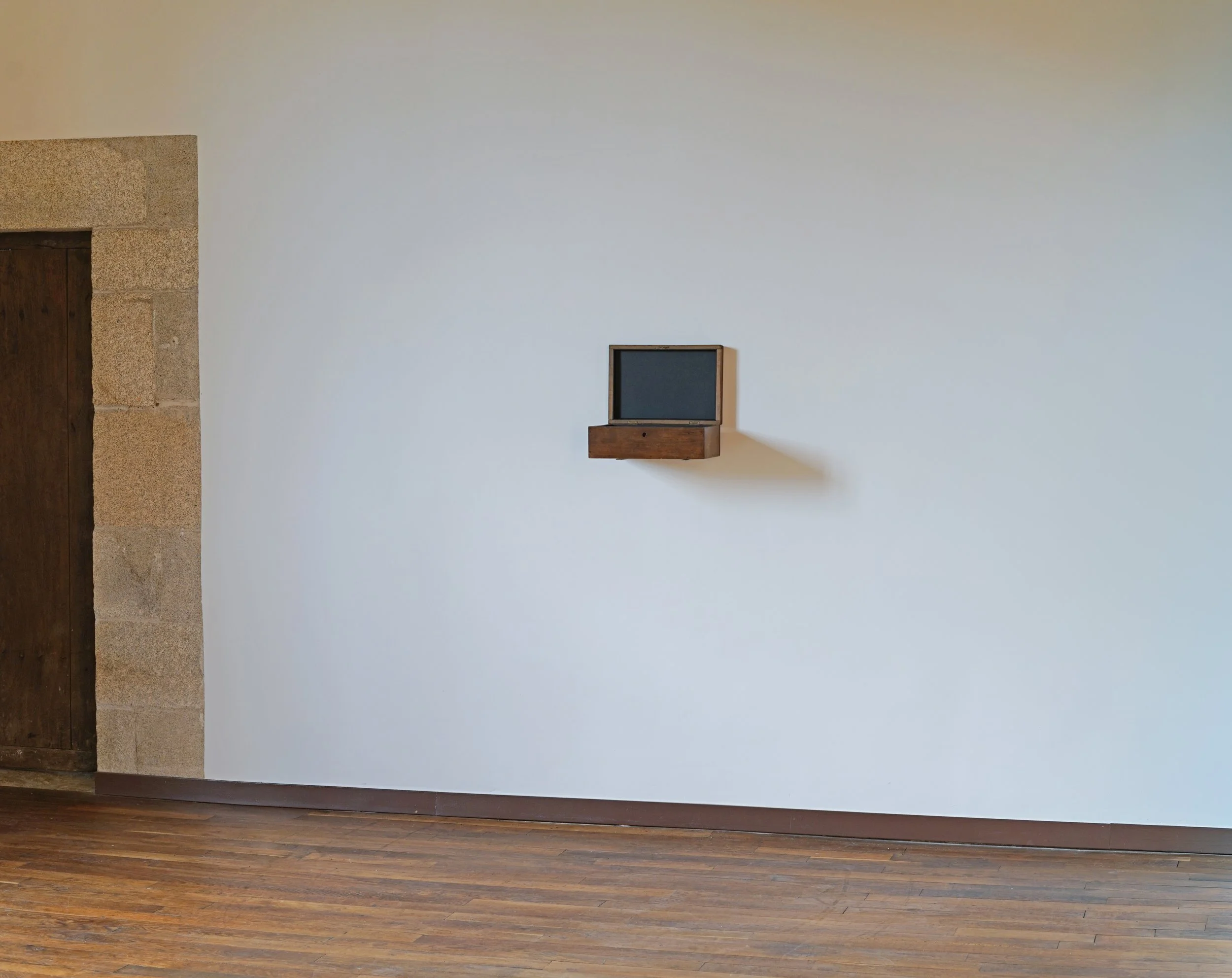
The selected rock (whose weight equals that of the Sun’s light across the entire planet) is displayed in a custom-built enclosure resembling a travel case.
Through this gesture, the artist references the long tradition of scientific expeditions where collected specimens from distant lands were transported in diverse cases around the entire planet.
La Noche
For ‘La Noche’, a scientist calculated the physical weight of moonlight cast upon Earth.
Grounded in Einstein’s theory of special relativity, the calculation stems from the subtle pressure that photons exert on the planet’s surface. In this way, the weight of a full moon’s light could be measured.
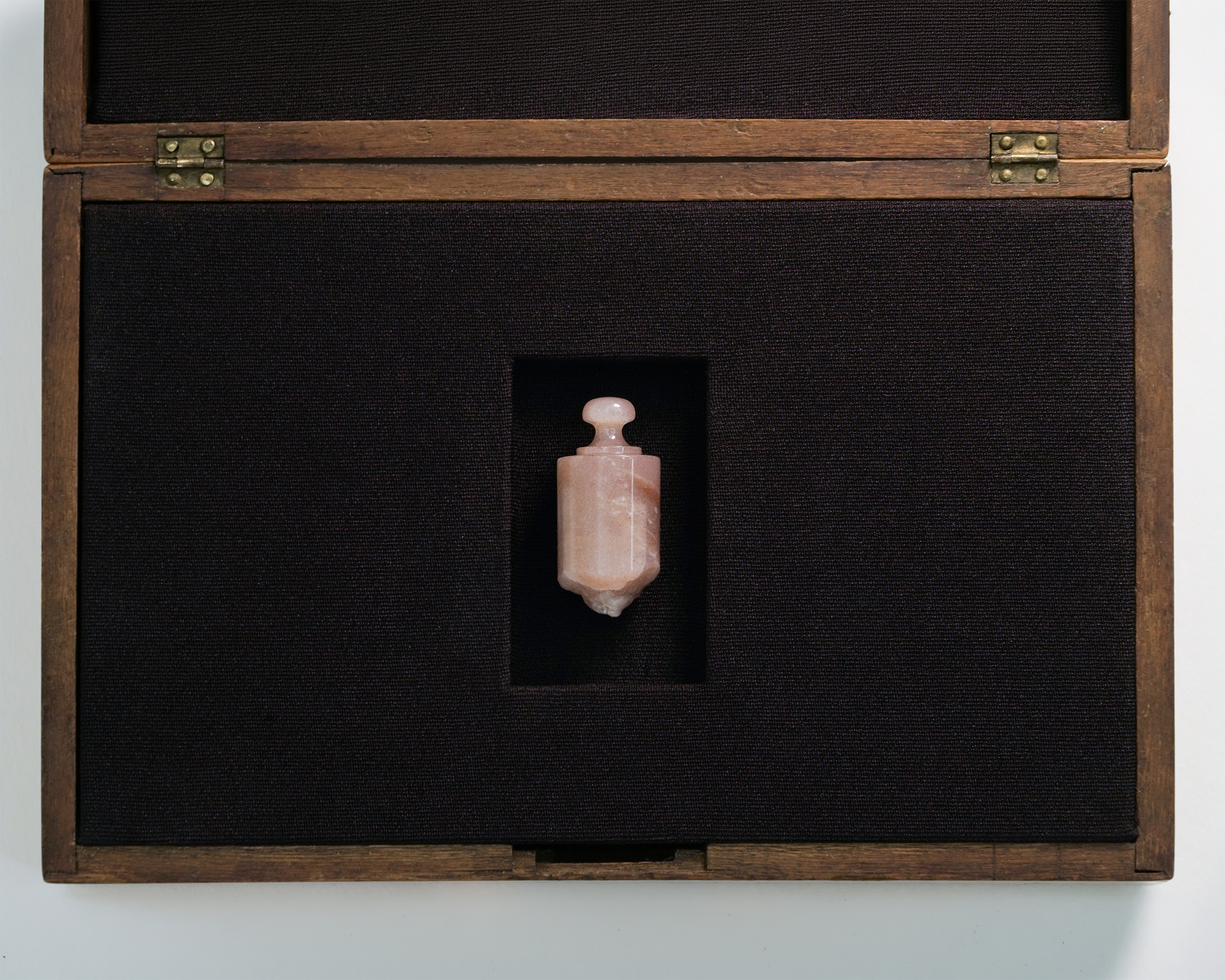
The notion of "sedimented moonlight" gave birth to this project. the artist began wondering if, beyond mere belief, moonlight had an actual physical influence on Earth.
Among these, for millennia, the mineral known as 'moonstone' was believed to be formed through the sedimentation of moonlight.
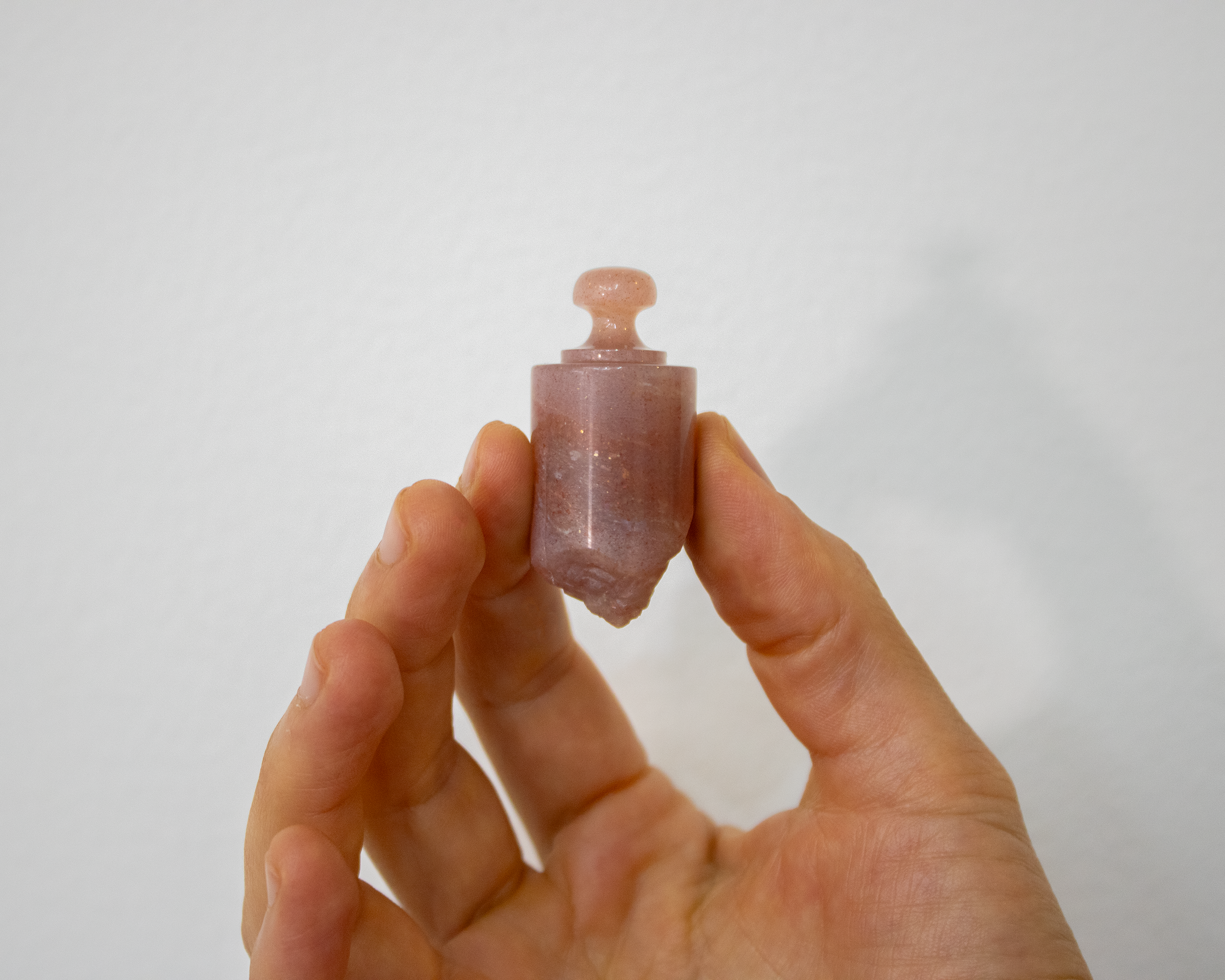
Shaped like an old-fashioned “balance weight” once used for standardized measurement, this piece of moonstone has been crafted to equal the exact weight of full-moon light falling on our planet.